Chaitanya Namitha Interiors
Interior Design, Bengaluru
Project info
Category
Interiors
Timeline
Ongoing
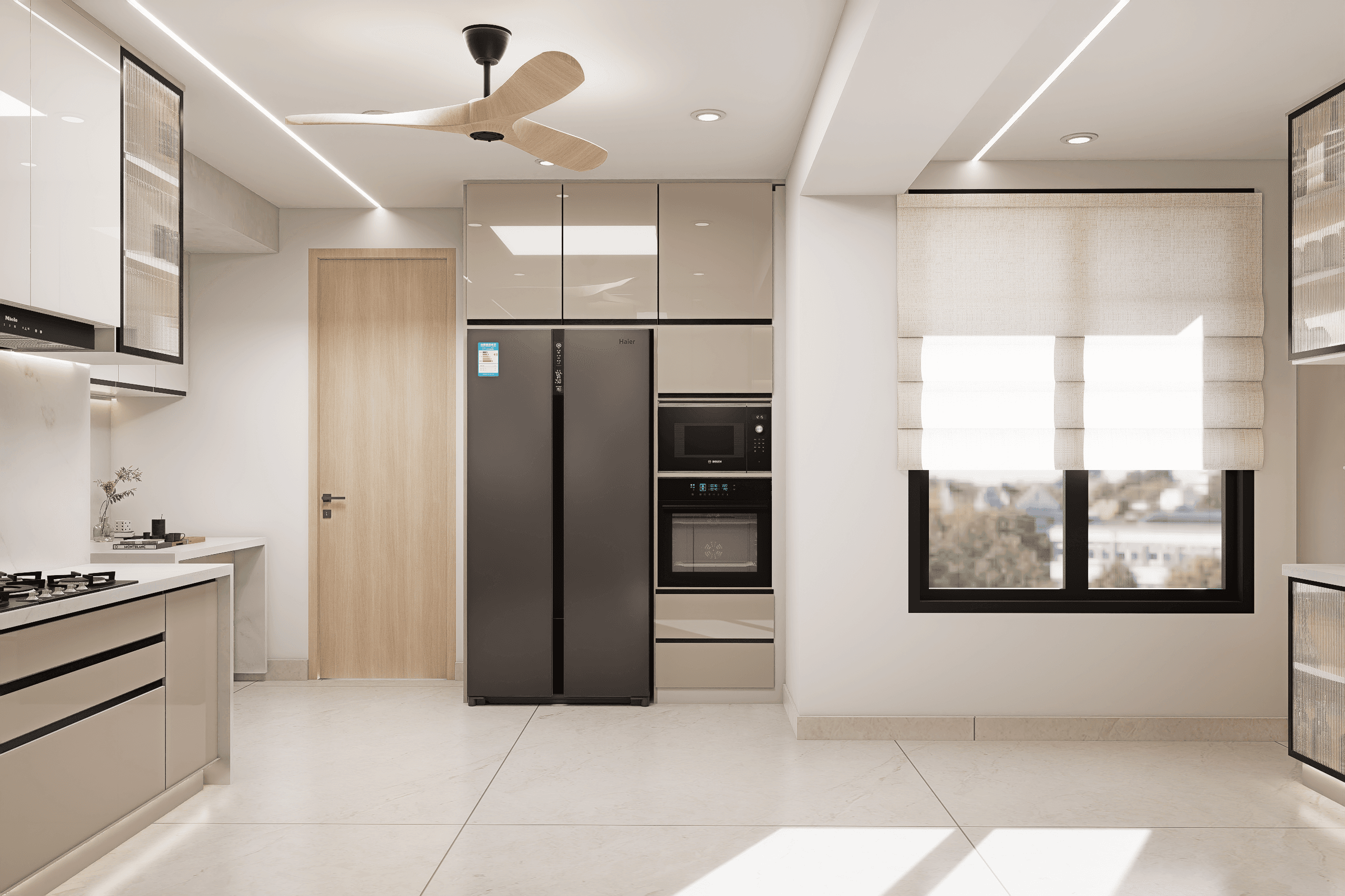
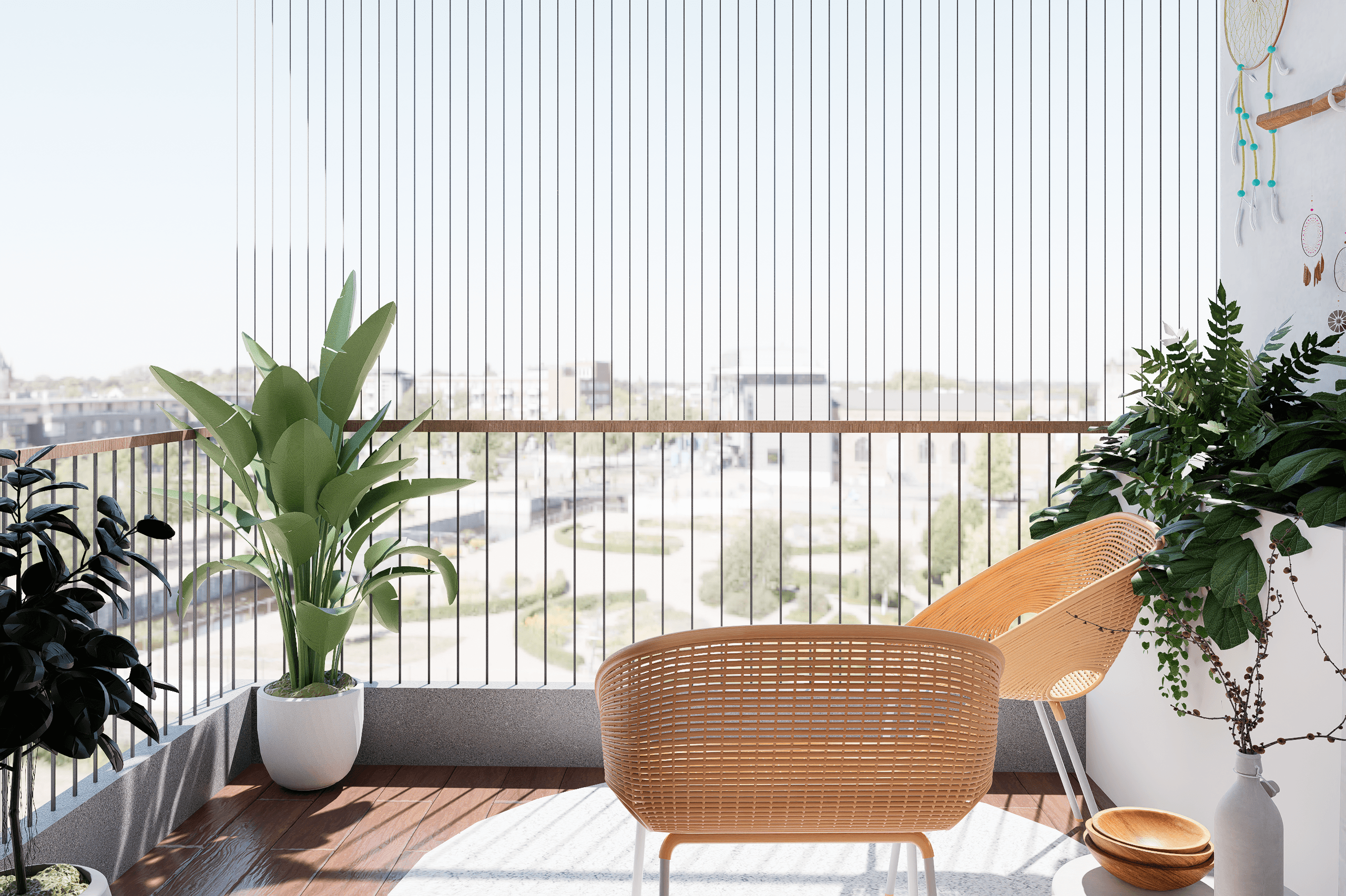
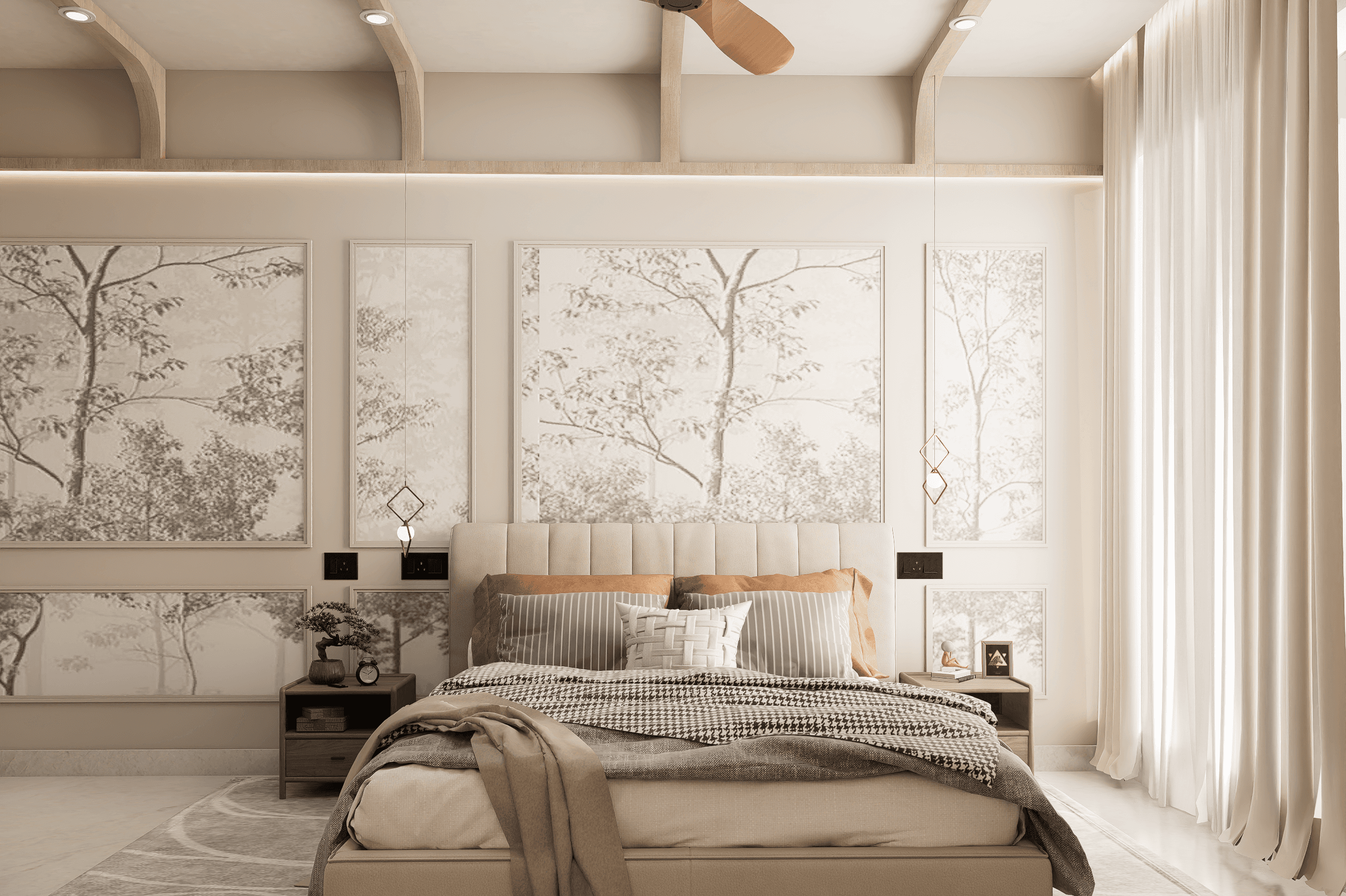
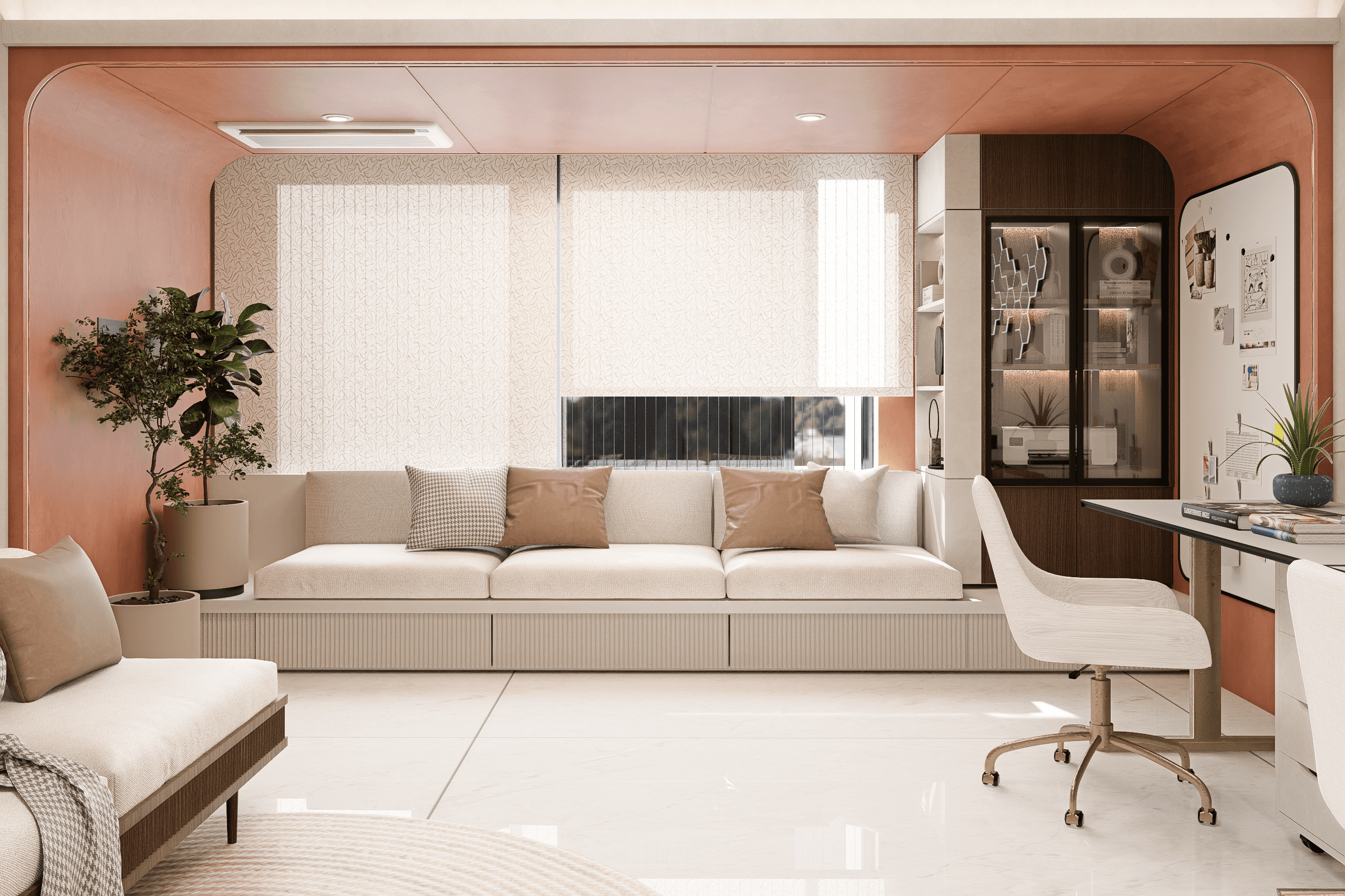
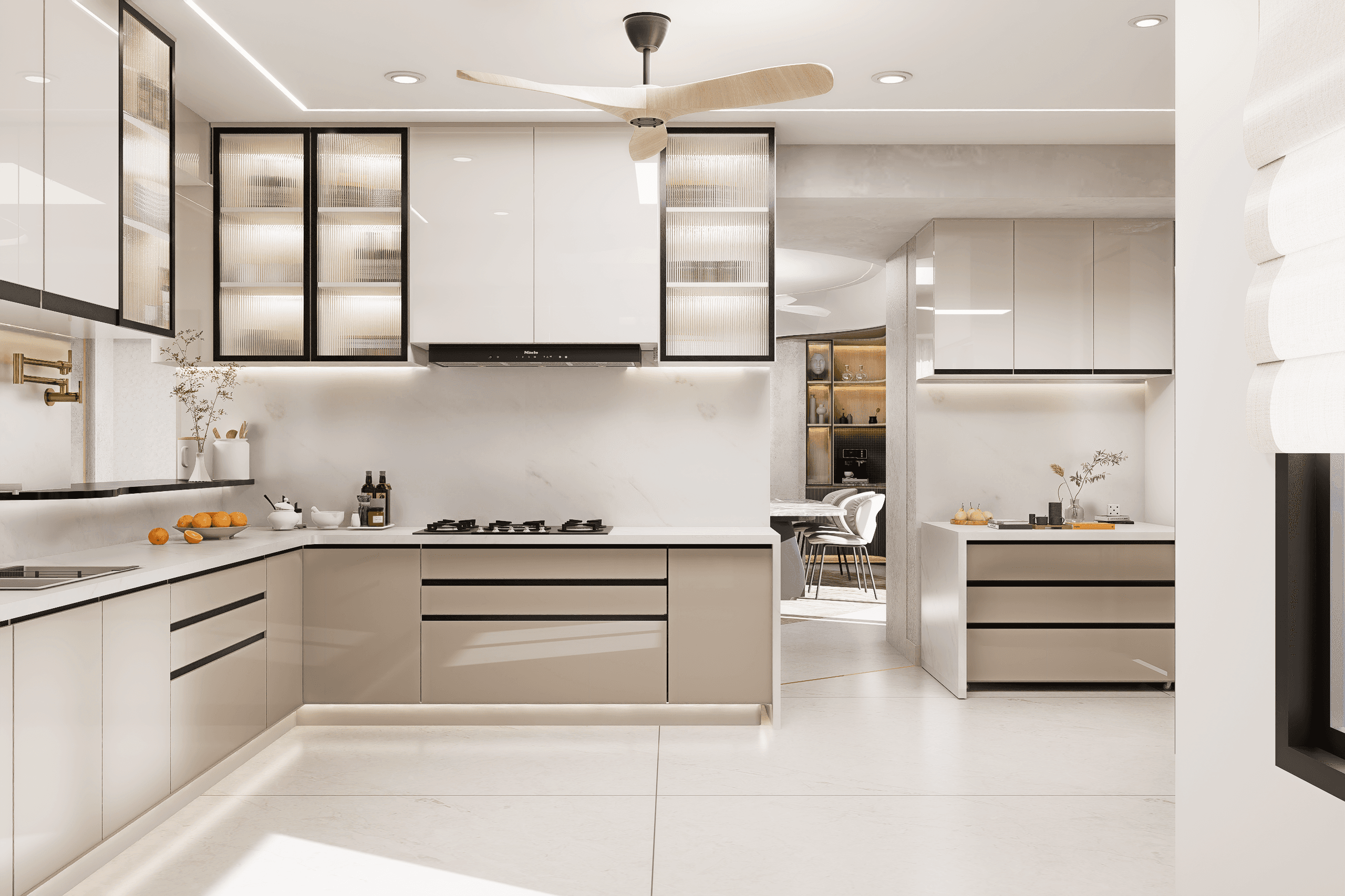
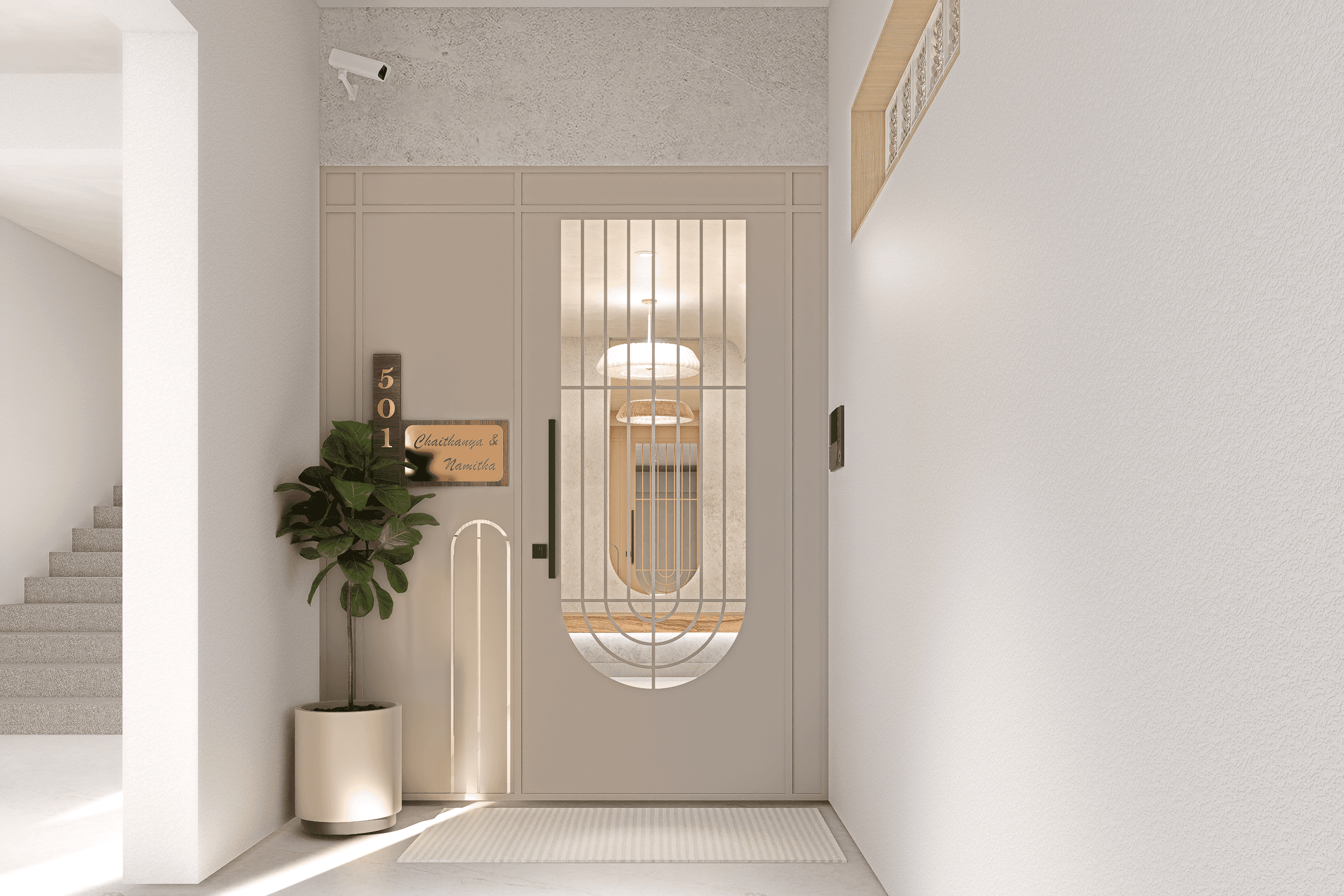
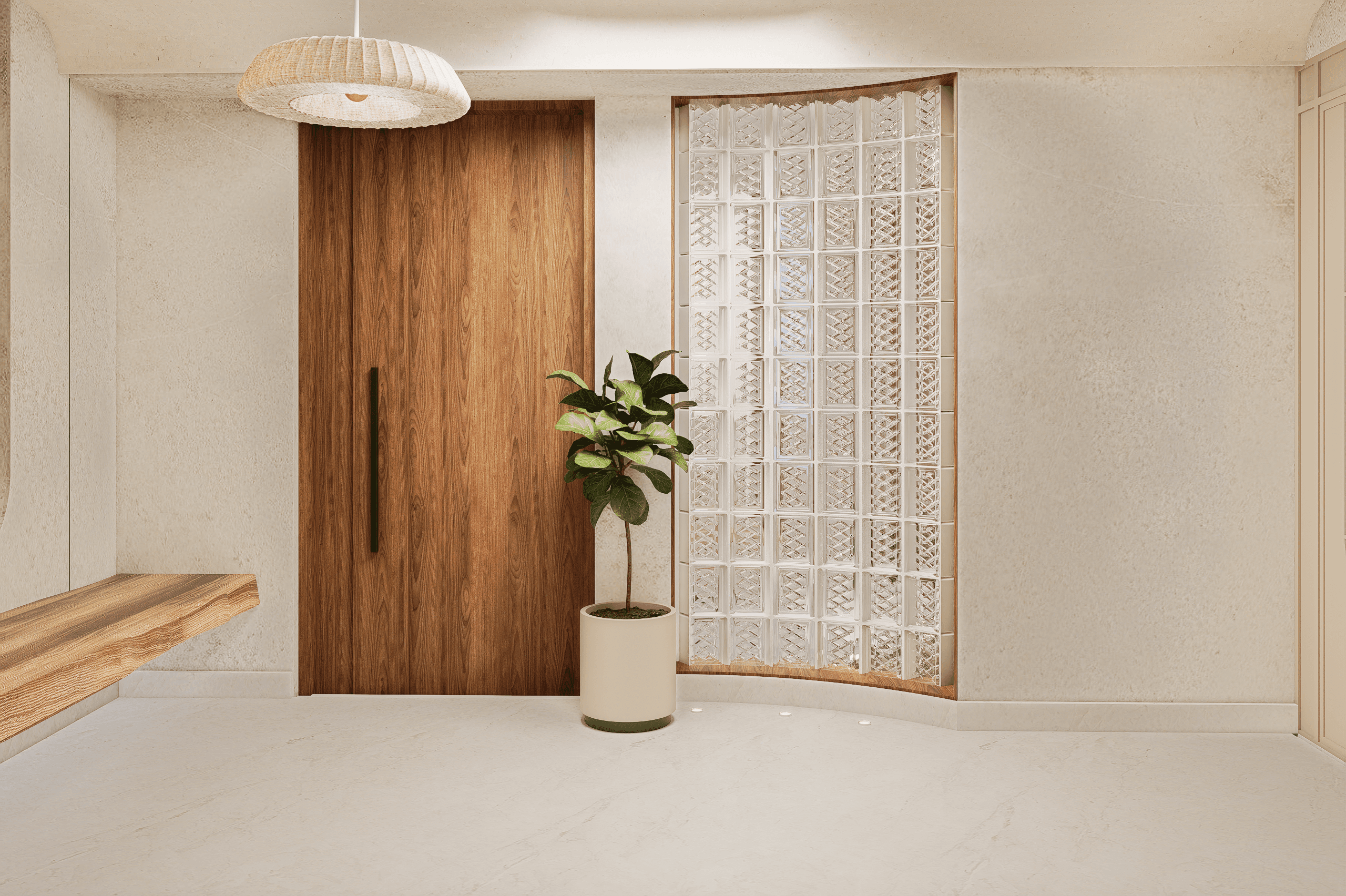
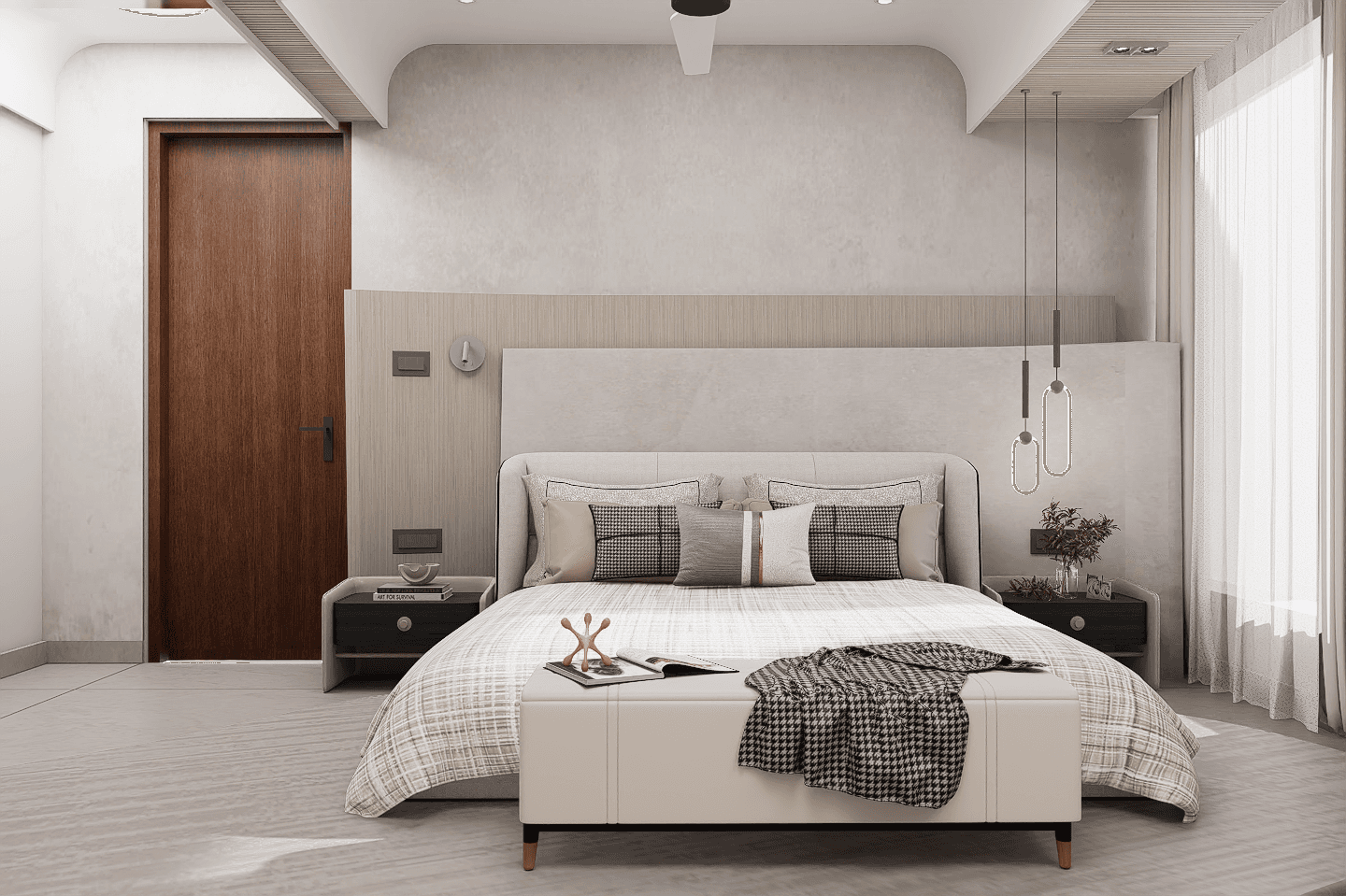
The studio engaged with the project at an early stage, when the floor plate existed as a bare shell, free of internal walls. This allowed the spatial organization to emerge from first principles rather than constraints. Instead of rigid partitions, the design introduces a series of nodes and axes, seamlessly connected through subtle curves and fluid transitions. These gentle geometries soften the linearity of the plan, creating a continuous and cohesive spatial experience. This project stands as a unique exploration for Studio Fingo, an apartment formed by merging two 4-bedroom units in JP Nagar. The resulting footprint stretches into a linear plan of approximately 100 feet by 35 feet, offering both a challenge and an opportunity to rethink continuity within a residential setting. The planning is guided by orientation and the rhythms of the day. Living spaces are positioned along the eastern edge to welcome the morning light and energy. The dining and kitchen follow as transitional zones, while the bedrooms shift toward the west, offering a quieter, more introspective environment as the day winds down. Despite its openness, the home maintains a careful balance between connectivity and privacy. Cross ventilation, ample natural light, and minimized internal barriers contribute to a sense of clarity and calm. The result is a living environment that feels expansive yet intimate, an uninterrupted spatial narrative shaped by light, movement, and material continuity. A restrained palette of beige, crème, and browns forms the base, punctuated by accents of terracotta, teal, and peach. This interplay of tones unifies the home while lending moments of warmth and character across the length of the space. Flooring plays a key role in reinforcing movement and continuity. Marble inlays trace oblique geometric curves across the floor, subtly guiding circulation while enhancing the sense of flow. These patterns echo the language of the ceilings, where soft curves and refined finishes further dissolve boundaries between spaces.
The process
The design process evolved from an open-ended exploration of the floor plate, allowing the spatial framework to be shaped without the limitations of predefined partitions. Early studies focused on reinterpreting the linear footprint through a series of interconnected nodes and axes, where subtle curves were introduced to soften rigidity and establish a sense of continuity. The planning was guided by orientation and the rhythms of everyday life, organizing spaces to respond to light, ventilation, and varying degrees of privacy. Iterative explorations of movement, zoning, and transitions refined the balance between openness and seclusion. Material and detailing decisions were developed as extensions of this spatial logic, reinforcing flow, coherence, and a unified experiential language across the home.